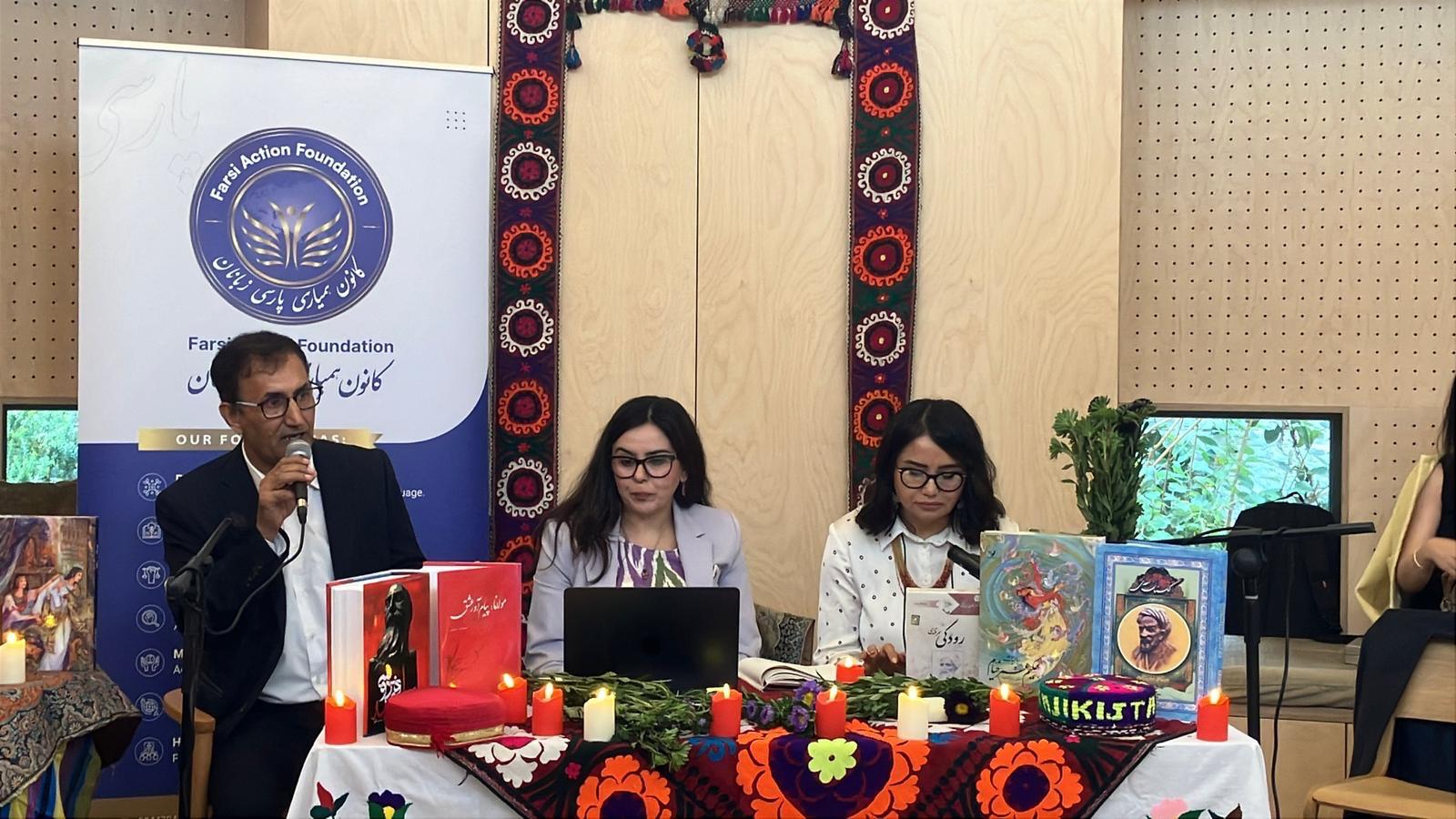
On July 27th, 2025, the Farsi Action Foundation successfully hosted the 11th Farsi Poetry Night in London, gathering 85 poets, authors, researchers, musicians, human rights activists, and scholars from across the Persian-speaking world. The evening was marked by powerful expressions of shared culture, deep historical ties, and a collective call for unity in the face of growing political and humanitarian challenges in the region.
This year’s event took place against the backdrop of the ongoing humanitarian crisis, particularly the mass deportation of Afghan refugees from Iran—a situation that has fueled tension and misunderstanding between two nations whose peoples are bound by centuries of common language, culture, history, and brotherhood. The central theme of the evening focused on decoupling government policies from people-to-people relationships, emphasizing that state decisions do not define the deep rooted bonds between the people of Iran, Afghanistan, Tajikistan and Uzbekistan.
In an especially meaningful gesture during a time when cultural events especially those involving female participation are being restricted or banned in Afghanistan, the evening was proudly presented by two talented female hosts, joined by a diverse group of women and men on stage. Their presence stood as a powerful symbol of equality, dignity, and the fundamental role of women in cultural and intellectual life, and was met with enthusiastic support and respect from the audience.
In line with the evening’s message of unity and cultural resilience, the event was dedicated to the memory of the late Mr. Aqel Berang Kohdamani, a prominent poet born in northern Kabul. A graduate of Tehran University, Mr. Kohdamani played a pioneering role in the post-independence cultural revival of Tajikistan, serving as the founding publisher and editor of the Paiwand Magazine, one of the first publications to be printed in the Farsi alphabet in Dushanbe. He later passed away in London, leaving behind a rich legacy of poetic and cultural contribution.
In a deeply emotional and respectful segment of the program, members of Mr. Kohdamani’s family—his wife, son, daughter, and grandson—were present at the event to honour his memory and witness the recognition of his lifelong dedication to Farsi literature and cultural unity.
A panel of esteemed speakers paid tribute to Mr. Kohdamani’s literary work and personal character, underscoring how his life embodied the idea that the cultural and historical unity of the Persian-speaking peoples transcends contemporary geopolitical borders. As highlighted during the discussions, for much of history, these communities have lived as one nation sharing not only a language, but also deep cultural, literary, and spiritual connections.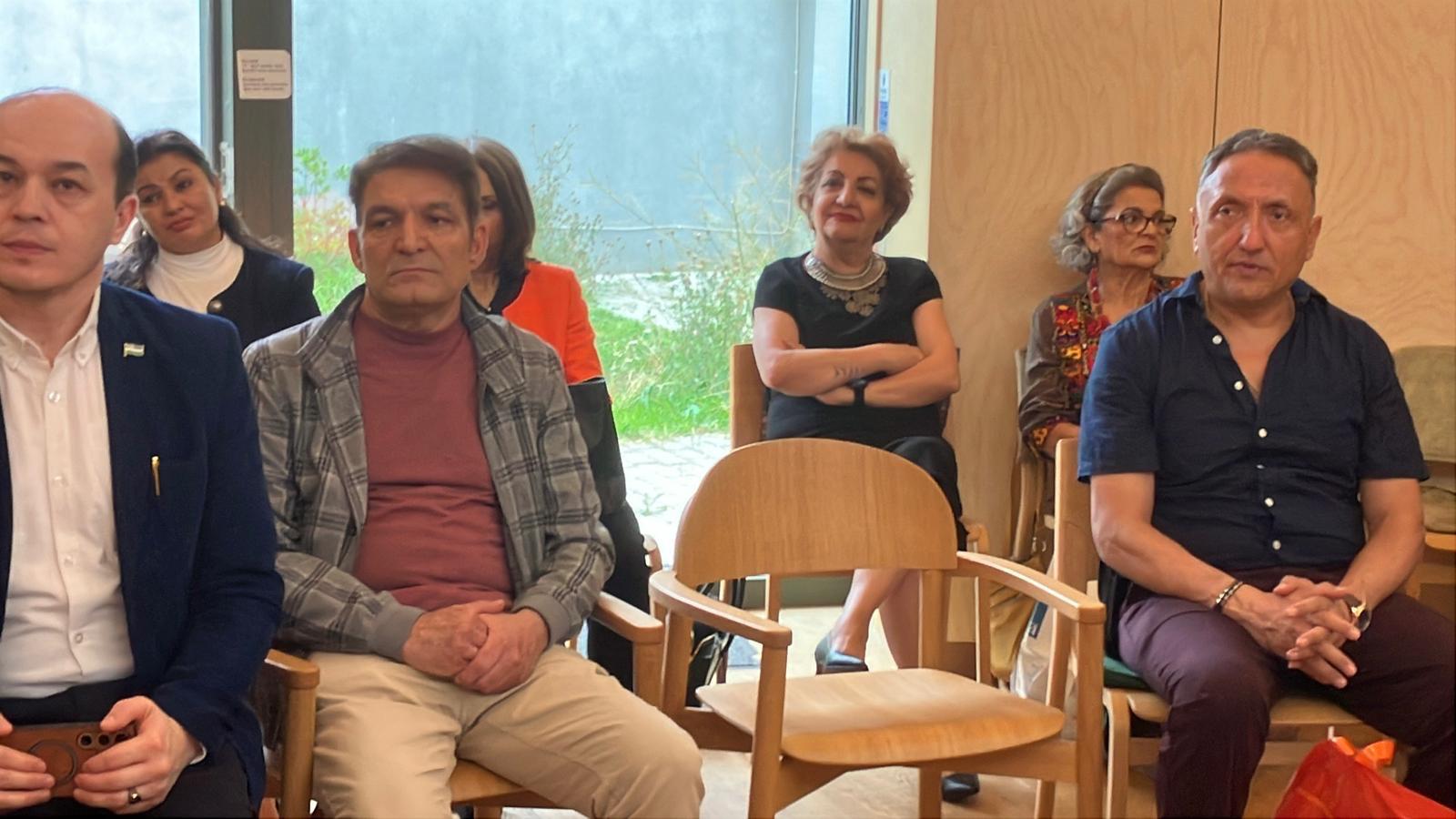
Speakers also emphasized the importance of mutual respect, peaceful coexistence, and cultural progress in today's interconnected and civilized world. The night served as a powerful reminder that despite modern divisions, the shared values and lived experiences of these communities remain vibrant and enduring.
Following a brief intermission, attendees gathered for a moving session of Farsi poetry recitations, featuring both classical and contemporary works. The readings, marked by emotion and solidarity, celebrated the enduring power of poetry as a bridge between peoples and a vessel for shared identity.
The 11th Farsi Poetry Night stood not only as a celebration of literary excellence but also as a cultural statement: that love, friendship, and humanity must prevail over division, and that the enduring connections between Iran, Afghanistan, Tajikistan, Uzbekistan and other Persian-speaking regions must be protected and nurtured for future generations.